
Modular Softwall Cleanrooms vs Hardwall Installations: A Flexible and Cost-Effective Solution
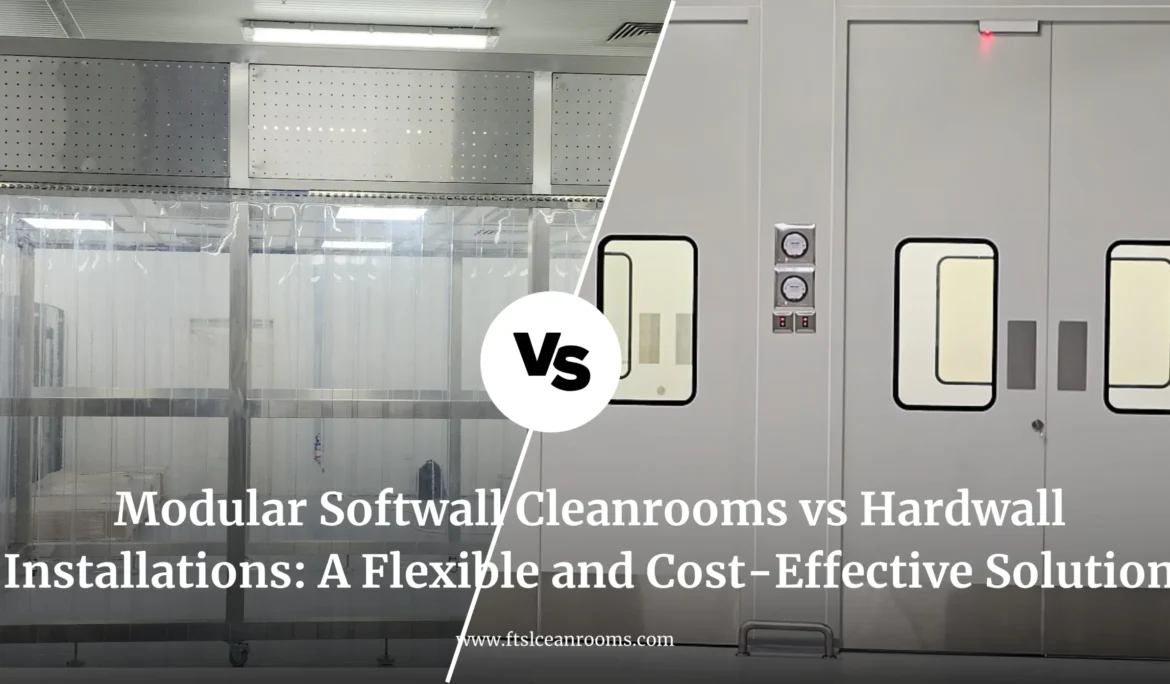
Industrial cleanroom systems play a vital role where contamination control is essential. From pharmaceutical manufacturing and biotechnology to electronics and medical device production, maintaining a controlled environment ensures product safety, quality, and regulatory compliance.
Traditionally, many facilities have relied on hardwall cleanroom installations made from rigid panels, glass, or metal structures. While these systems offer durability and long-term stability, they often require significant investment, time, and structural commitment.
In recent years, modular softwall cleanrooms have emerged as a highly efficient and flexible alternative. These systems provide reliable contamination control while offering several advantages over conventional hardwall structures. In this article, we explore why modular softwall cleanrooms are becoming an increasingly popular choice for modern industries.
Understanding Modular Softwall Cleanrooms
A modular softwall cleanroom is a controlled environment built using a lightweight frame and flexible curtain walls made from materials such as PVC or vinyl. The system is typically supported by a metal structure and equipped with HEPA or ULPA filtration units to maintain the required level of cleanliness.
These cleanrooms are designed to meet specific classification standards while offering quick installation and easy customization. Unlike traditional hardwall installations, softwall cleanrooms are modular and can be expanded, relocated, or reconfigured with minimal effort.
The Limitations of Hardwall Cleanrooms
Hardwall cleanrooms are often considered the traditional option for high-performance environments. However, they come with certain challenges that can limit their practicality in fast-changing industries.
One of the major limitations is high construction cost. Hardwall cleanrooms require permanent structural components, specialized materials, and extensive installation work. This significantly increases the overall investment required for building and maintaining the facility.
Another drawback is long installation time. Hardwall cleanrooms typically involve detailed construction work, coordination with multiple contractors, and sometimes modifications to the existing building structure. This can delay production timelines and increase project complexity.
Hardwall systems also lack flexibility. Once installed, modifying the layout or expanding the cleanroom can be difficult and costly. For industries that frequently upgrade processes or scale production, this lack of adaptability can become a major challenge.
Advantages of Modular Softwall Cleanrooms
Faster Installation
One of the most significant advantages of modular cleanroom technology is their rapid installation process. Because the systems are prefabricated and modular in design, they can be installed much faster than traditional hardwall structures.
In many cases, a softwall cleanroom can be installed within days instead of weeks or months. This allows companies to start operations quickly and reduce downtime during facility upgrades or expansions.
Cost-Effective Solution
Cost efficiency is another major reason why many companies are choosing modular softwall cleanrooms. The materials used in softwall systems are generally less expensive than rigid wall panels and complex structural components.
Additionally, the simplified installation process reduces labor costs and project management expenses. Businesses can achieve the required level of contamination control without investing heavily in permanent infrastructure.
Flexibility and Scalability
Industries today operate in highly dynamic environments where production requirements often change. Modular softwall cleanrooms provide the flexibility needed to adapt to these changes.
Because the systems are modular, they can be expanded, relocated, or reconfigured without major construction work. If a company needs to increase its cleanroom space or change the workflow layout, the system can be modified easily.
This scalability makes softwall cleanrooms particularly suitable for research facilities, pilot production units, and growing manufacturing operations.
Easy Maintenance in Modular Softwall Cleanrooms
Maintenance is an important factor in maintaining industrial cleanroom systems performance. Softwall cleanrooms are designed with simplicity in mind, making cleaning and maintenance easier.
The vinyl curtains used in these systems are easy to wipe down and replace if necessary. If a section of the wall becomes damaged, it can be replaced individually without dismantling the entire structure.
This reduces maintenance downtime and helps maintain consistent cleanroom performance over time.
Workflow Integration with Modular Softwall Cleanroom Technology
Softwall cleanrooms can be integrated easily within existing facilities. They do not require major structural modifications and can be installed within warehouses, laboratories, or manufacturing floors.
This allows companies to create controlled environments exactly where they are needed. For example, a softwall cleanroom can be installed around a specific production line or inspection area without affecting the rest of the facility.
Such targeted implementation helps improve workflow efficiency and reduces unnecessary infrastructure costs.
Industries That Benefit from Softwall Cleanrooms
Modular softwall cleanrooms are widely used across multiple industries due to their versatility and efficiency.
In the pharmaceutical and biotechnology sectors, they are often used for research laboratories, sampling areas, and pilot production units.
The electronics and semiconductor industry uses softwall cleanrooms to protect sensitive components from airborne contamination during assembly and testing.
In medical device manufacturing, these cleanrooms help maintain sterile production environments while allowing manufacturers to scale operations quickly.
Other industries such as food processing, cosmetics, and aerospace manufacturing also benefit from the flexibility and cost-effectiveness offered by modular softwall cleanroom systems.
When Hardwall Cleanrooms Are Still Necessary
While modular softwall cleanrooms offer numerous advantages, hardwall cleanrooms still play an important role in certain applications.
For environments requiring very high cleanliness levels, strict regulatory compliance, or advanced environmental control, hardwall systems may be more suitable. These include large pharmaceutical manufacturing plants or facilities requiring complete structural integration.
However, for many operations that require moderate contamination control and operational flexibility, modular softwall cleanrooms provide a highly practical solution.
The Future of Cleanroom Design
As industries continue to evolve, the demand for flexible, scalable, and cost-effective cleanroom solutions is increasing. Companies are seeking systems that can adapt to new technologies, production methods, and regulatory requirements without requiring major infrastructure changes.
Modular cleanroom systems, especially softwall designs, align perfectly with this trend by enabling fast installation and easy scalability.
Podtech associated with FTS Cleanrooms System supports this need by offering customizable modular softwall cleanroom solutions designed for quick deployment, reliable contamination control, and the flexibility to expand as operational requirements grow.
Conclusion
The choice between modular softwall cleanrooms and traditional hardwall installations ultimately depends on the specific needs of a facility. However, the advantages offered by modular softwall systems such as faster installation, lower cost, flexibility, and ease of maintenance make them an attractive option for many industries.
At FTS Cleanrooms, we specialize in designing and delivering high-quality modular softwall cleanroom solutions tailored to the needs of various industries, including pharmaceuticals, biotechnology, electronics, medical devices, and food processing. Our team provides customized, scalable, and efficient cleanroom systems that help organizations achieve the required cleanliness standards while supporting future expansion.
Contact us today to explore how our modular softwall cleanroom solutions can support your facility’s-controlled environment requirements.